Catherine McDowell & Hillora Lang
“We’ve been asked how two sisters write a single story without committing a felony. The answer is that we divide responsibilities very precisely. One of us handles the plots involving enchantments, inherited curses, and things that go bump in the parlour. The other handles the plots involving property law, emotional catastrophe, and whether the protagonist has eaten recently. We overlap only in the area of deeply questionable decisions made by candlelight, which we feel is the foundation of all good fiction.”
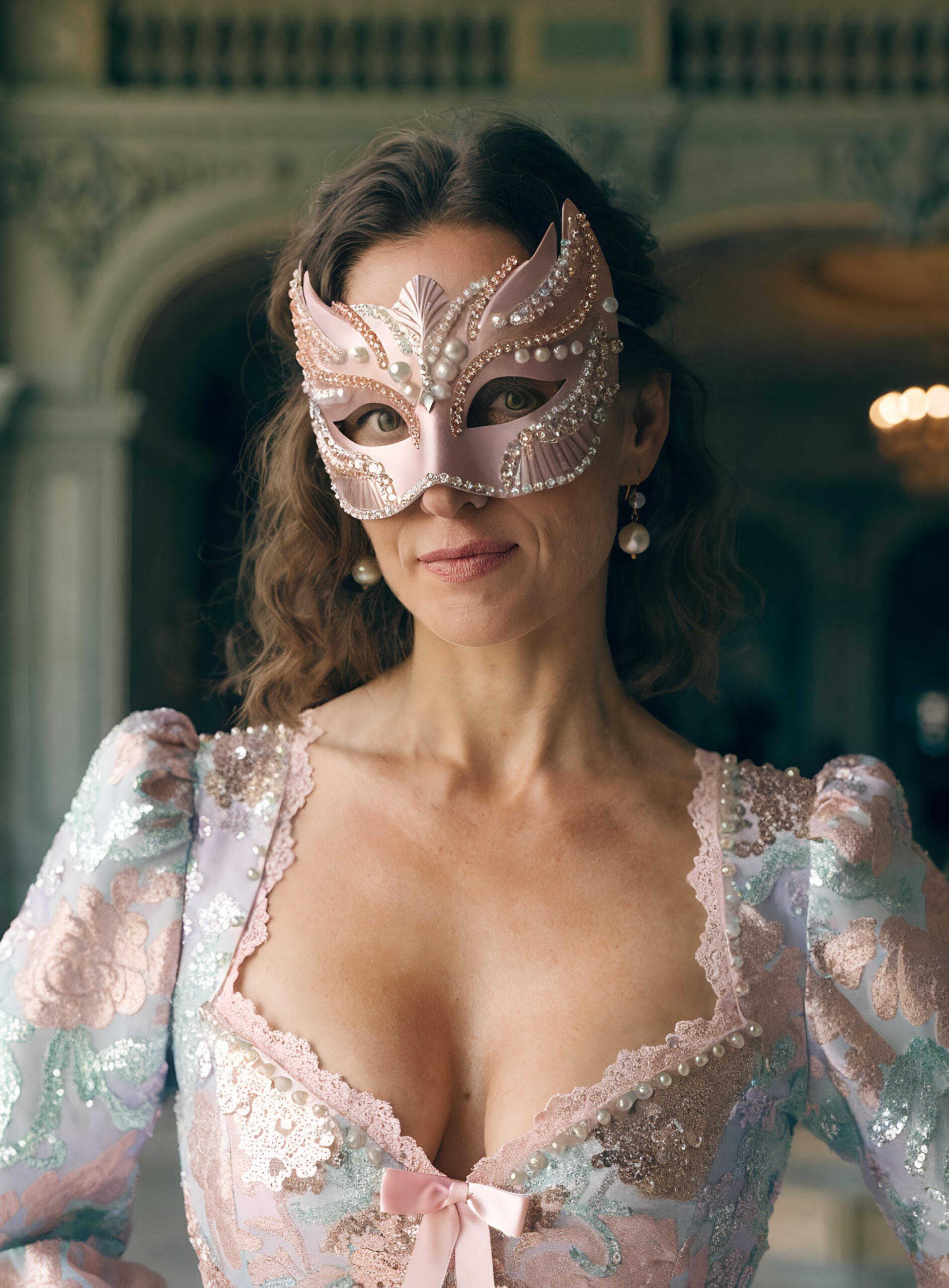
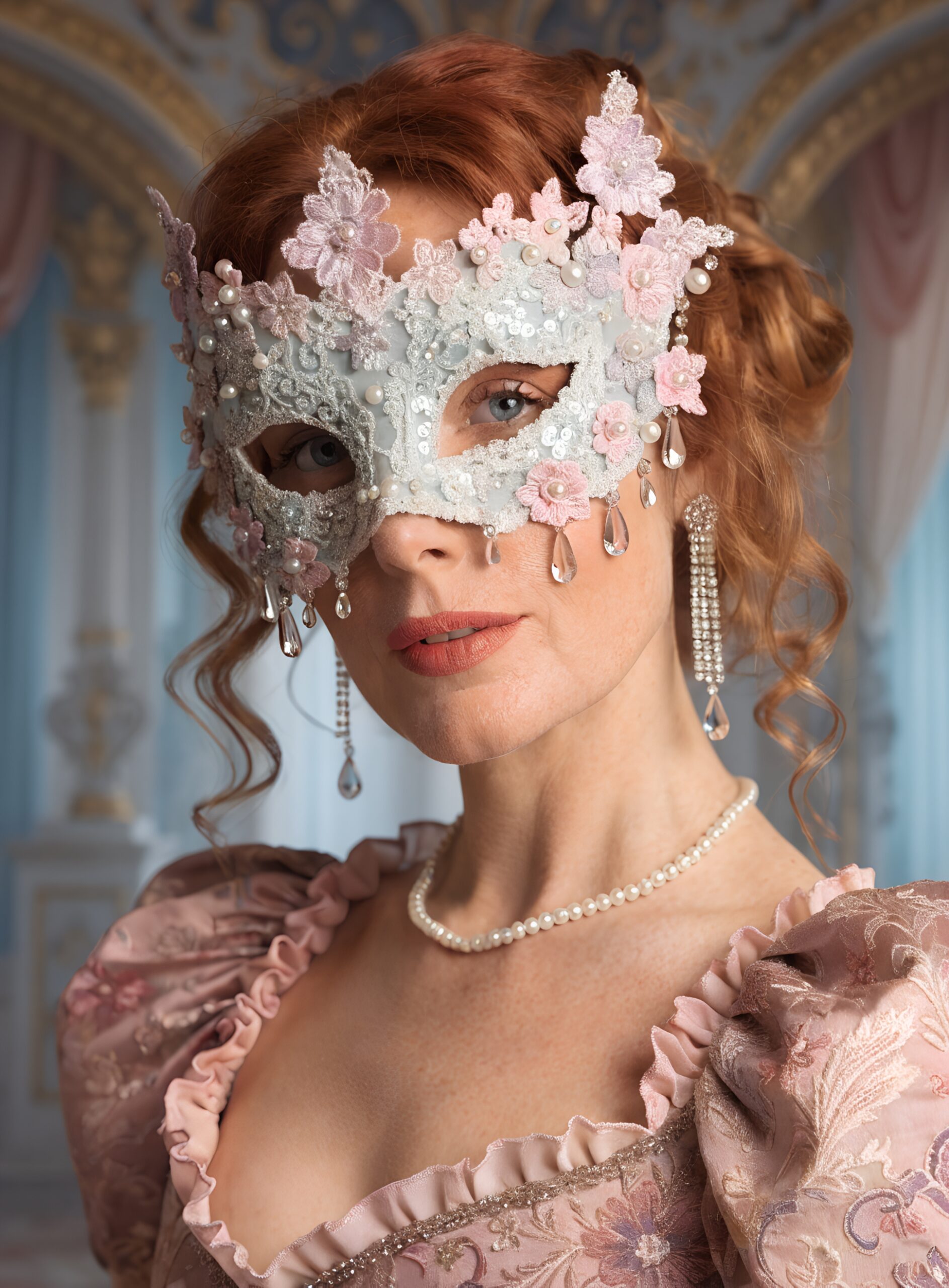

Catherine McDowell and Hillora Lang are sisters, co-authors, and the only writing partnership to have been asked to leave a historic estate tour for “asking the docent questions that implied firsthand knowledge of events predating the estate’s construction by several centuries.” Neither has clarified this. They write the Improper Entanglements universe — three interconnected series of cozy paranormal fantasy spanning epistolary correspondence, an immortal chaos spirit with no impulse control, and Regency-era drawing rooms where the supernatural is commonplace and the tea is always a little too hot, as if it’s been waiting.
Hillora earned dual bachelor’s degrees in English Literature and Creative Writing from the University of North Carolina Wilmington, followed by a master’s degree in Writing for Children and Young Adults from the Vermont College of Fine Arts, where her thesis advisor described her work as “disarmingly sincere and also possibly enchanted, though I’m sure that’s a metaphor.” She has written numerous novels under various pen names and ghostwritten romance and young adult fiction for clients who were universally pleased with the results and only occasionally unsettled by the accuracy of certain details they had not provided. Between degree programs, she spent a summer spelunking in the karst caves of central Kentucky, where she discovered — in a chamber that did not appear on any existing survey map — a handwritten manuscript in a language she couldn’t identify but could, inexplicably, read. She does not discuss the manuscript’s contents. She does say it “clarified certain things about narrative structure.”
Catherine is a licensed Occupational Therapist and Massage Therapist who teaches holistic health courses alongside her husband and approaches the body the way she approaches fiction: as a system that is always telling you something, whether or not you’ve thought to ask. She is the founder of Roots of Recovery, an intentional community in Coastal North Carolina for women recovering from poverty, addiction, and abuse, which has since merged with Habitat for Humanity to expand its reach — a transition she describes as “the most satisfying plot resolution I’ve ever been part of, and the only one that involved actual blueprints.” She is the author of the Indie Author Guides line of publishing insights PDFs, available from the Novel Concepts Teahouse. She is also an avid collector of haunted novels, which she defines as “books that are heavier than their page count warrants, that fall open to the same passage regardless of how you shelve them, and that occasionally smell of woodsmoke in rooms without fireplaces.” Her collection currently numbers fourteen. She will not confirm fifteen.
Together, they write from the coast of North Carolina, in a writer’s cottage where the back room is inexplicably colder than the rest, the bookshelves require reorganizing more often than furniture physics should demand, and the garden produces herbs that neither of them planted. They have visited Faerie twice — once deliberately and once because Hillora took a wrong turn in an unfamiliar bookshop in Asheville and emerged in a meadow that was “definitely not the parking lot.” Catherine’s visit was planned, researched, and conducted with the kind of professional thoroughness she brings to everything. She returned with detailed notes, a mild sunburn, and a firm policy of never discussing what she traded for passage home.
Their books are for readers who believe old houses keep secrets on purpose, who’ve had a cup of tea that tasted like forgiveness, and who understand that the most dangerous thing in any Regency drawing room is a woman who has been underestimated and has access to stationery.
“Every story we write begins with the same question: what if the world were exactly as magical as it feels on the nights you can’t sleep? Our answer is always yes, the house is haunted, the letters are alive, and the chaos spirit absolutely did that on purpose. We write for the readers who already suspected as much.”
 Spanish
  English
  German
  French